
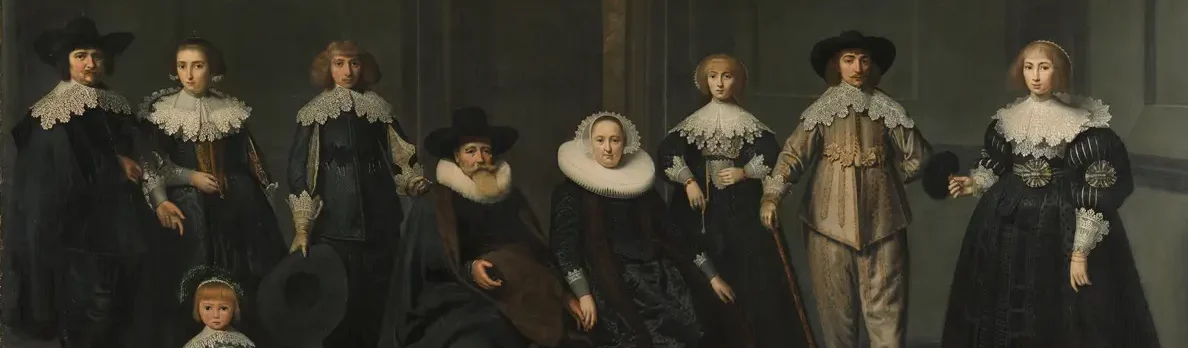
Rijksmuseum Amsterdam, Portrait of the Family of Dirck Jacobsz Bas (1569-1637), Burgomaster of Amsterdam, and Margriet Snoeck (1588-1645)
500 Jahre Spitze & 500 years of lace
Eine Reise durch die Kulturgeschichte der Klöppel- und Nadelspitzen.
Entdecken Sie die historische Entwicklung und gesellschaftliche Bedeutung dieser einzigartigen Kulturgüter.
A journey through the cultural history of bobbin and needle lace.
Discover the historical evolution and social significance of a unique cultural treasure.
Aus der Sammlung
Die Reihe: Klöppel- und Nadelspitzen im Kontext der europäischen Modegeschichte
From the Collection
The Series: Bobbin and Needle Lace in the Context of European Fashion History
Neuer Artikel vom 08.09.2026
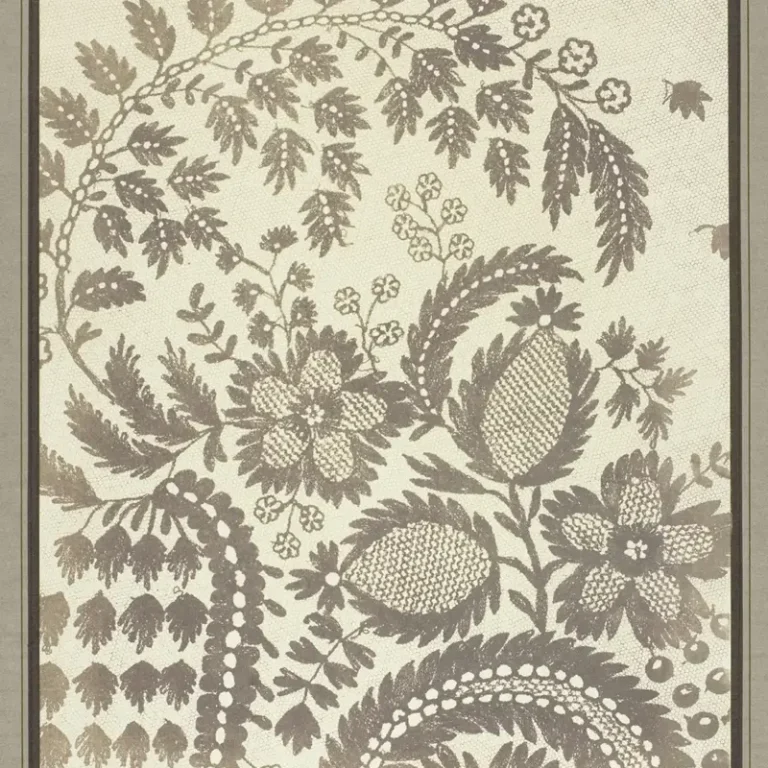
Das 21. Jahrhundert: Spitze neu codiert - Teil 2
Dieser Text untersucht die radikale Transformation der Spitze im 21. Jahrhundert vom traditionellen Kunsthandwerk hin zu einer konzeptuellen Avantgarde. Entlang prägnanter Kernströmungen wird aufgezeigt, wie das textile Medium heute als Werkzeug für digitale, ökologische und politische Diskurse fungiert.
The 21st century: Part 2 - Lace Recoded
This text examines the radical transformation of lace in the 21st century from traditional craftsmanship to a conceptual avant-garde. Drawing on key trends, it demonstrates how the medium of textiles now functions as a tool for digital, environmental and political discourses.
Artikel vom 09.08.2026
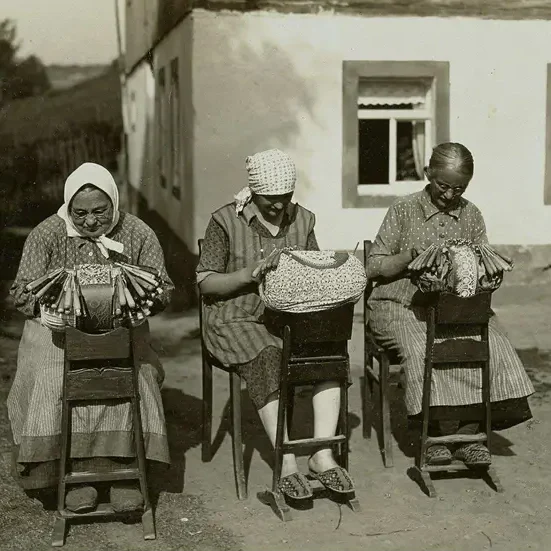
Das 21. Jahrhundert: Spitze neu verhandelt - Teil 1
Zwischen bürgerlicher Folklore und moderner Avantgarde kämpft die handgearbeitete Spitze im 21. Jahrhundert um ihre Anerkennung als autonome Kunstform, steht jedoch vor demografischen und institutionellen Herausforderungen. Trotz des Wandels zu neuen, konzeptuellen Experimenten verharrt die mediale Rezeption oft in traditionellen Klischees.
The 21st century: Part 1 - Lace Reimagined
Somewhere between traditional folk art and the modern avant-garde, handcrafted lace is fighting for recognition as an autonomous art form in the 21st century, yet faces demographic and institutional challenges. Despite the shift towards new, conceptual experiments, media coverage often remains mired in traditional clichés.
Artikel vom 09.08.2026
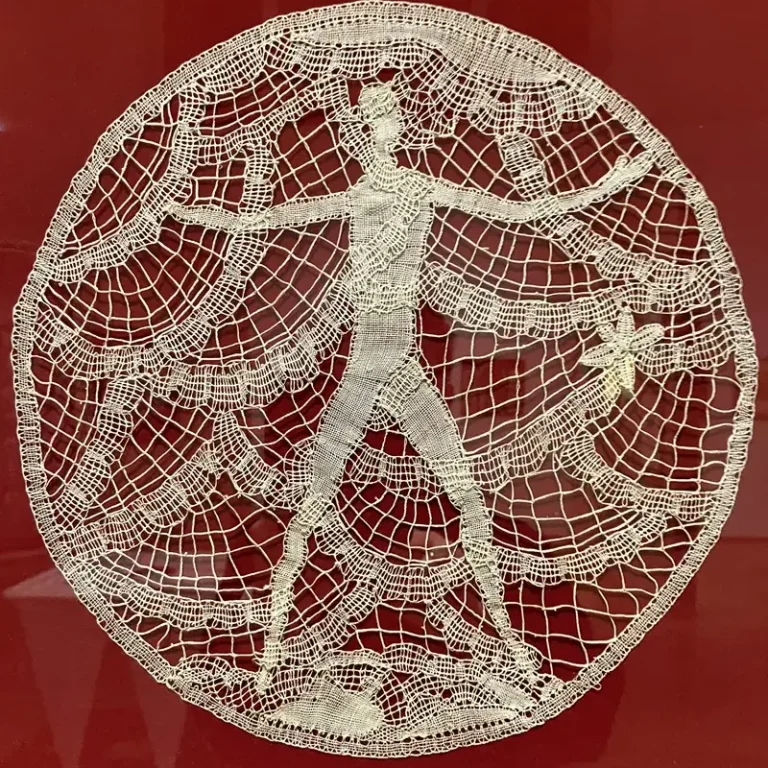
Das 20. Jahrhundert: Der Überlebenskampf eines textilen Statussymbols
Im harten Konkurrenzkampf mit der billigen Industrieware wandelt sich die Handspitze vom elitären Luxusgut zum politisierten Kunstobjekt. Visionäre Designer der Wiener Werkstätte erheben das Fadennetz zur Leinwand, während das Handwerk im Ersten Weltkrieg als patriotische „War Lace“ sogar zum humanitären Rettungsprogramm wird.
The 20th century: The struggle for survivel of a textile status symbol
Faced with fierce competition from cheap mass-produced goods, hand-made lace transforms from an elite luxury item into a politicised work of art. Visionary designers at the Wiener Werkstätte elevate the lace mesh to the status of a canvas, whilst during the First World War, the craft even becomes a humanitarian relief programme in the form of patriotic ‘War Lace’.